

粘り強い探究に臨床の視点も生かし、難病治療の未来を切り開く
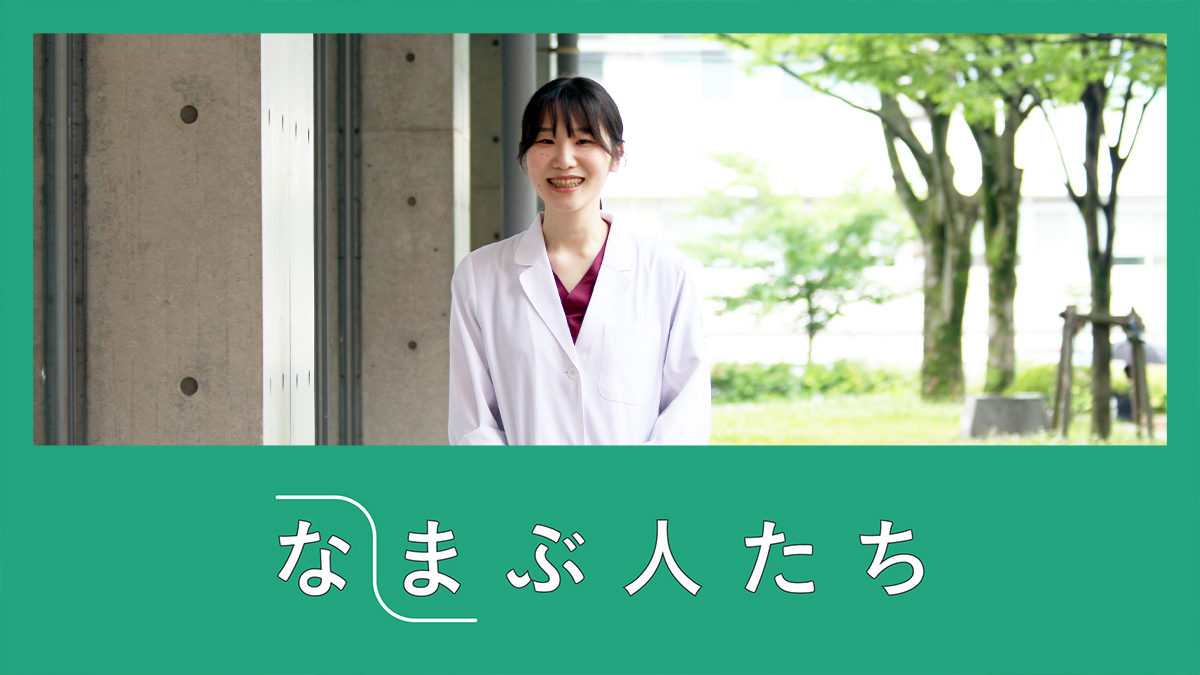
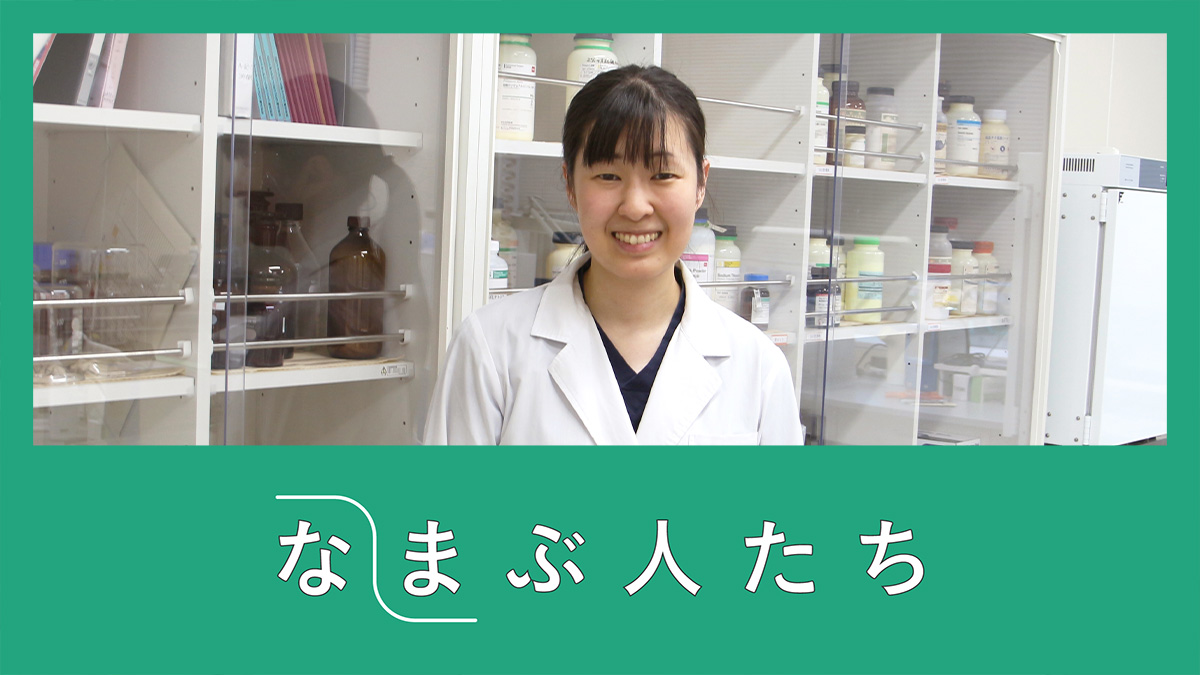
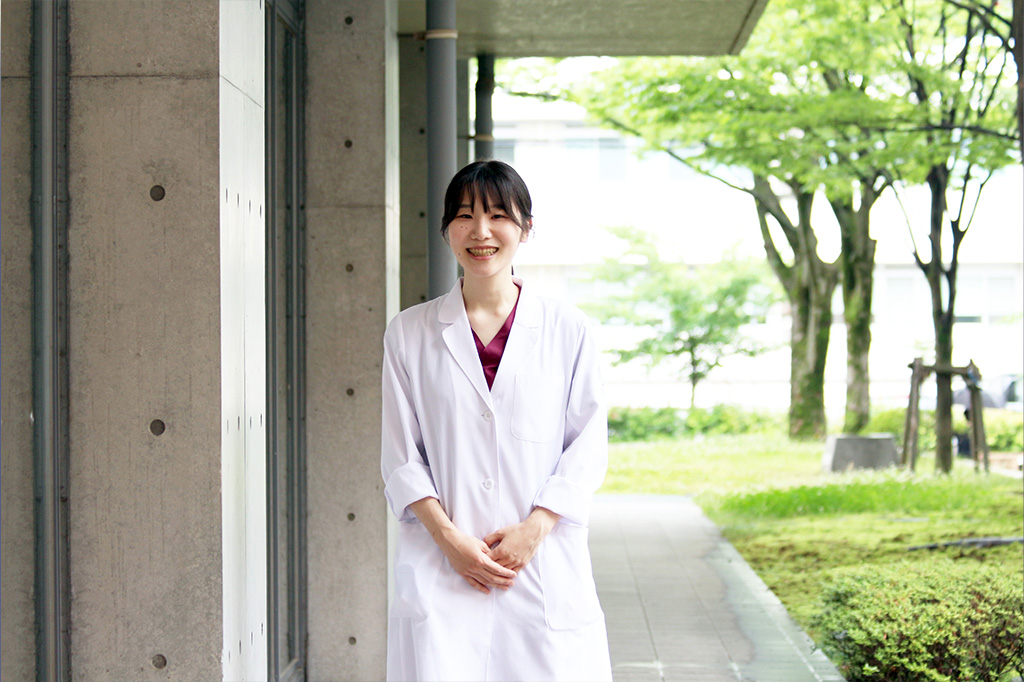
宮地優和 / Yuna Miyaji(東北大学医学部医学科)
2026.8.5 Wed
現在行っている研究の内容を教えてください。
ミトコンドリアで新しく作られるタンパク質の量を測定する方法の開発に取り組んでいます。ミトコンドリアは細胞の中でエネルギー産生を担う小器官であり、内部に独自のDNAを持っています。このDNAには、エネルギー産生に関わる一部のタンパク質がコードされています。
具体的には、培養細胞にタンパク質合成の際に取り込まれる特殊なアミノ酸を加え、新しく作られたタンパク質を一定時間ラベルします。その後、目的とするミトコンドリアタンパク質を抽出し、ウェスタンブロット法1を用いて定量しています。
これまでに、培養細胞を用いた実験では安定して定量できる条件を確立できました。現在は、マウスを用いて、生体内でもこの方法を応用できる条件の検討を進めています。
Please tell us about your current research.
I am developing a method to measure the amount of newly synthesized proteins in mitochondria. Mitochondria are organelles that produce energy within cells and contain their own DNA. This mitochondrial DNA encodes several proteins involved in energy production.
More specifically, cultured cells are treated with a special amino acid that is incorporated into proteins during protein synthesis to label newly synthesized proteins for a given period. We then isolate the mitochondrial protein of interest and quantify it using Western blotting1.
I have already established conditions that allow stable and reproducible quantification using cultured cells. I am currently investigating the conditions required to apply this method in vivo using mice.
これまでの成果と今後の可能性については。
これまでのミトコンドリアタンパク質の翻訳量を測定する方法では、放射性同位体や細胞質でのタンパク質合成を阻害する薬剤を用いる必要がありました。そのため、生体内での評価や病気のモデルを用いた解析には応用しにくいという課題がありました。
本研究では、これらを用いずにミトコンドリアタンパク質の翻訳量を定量できる方法の確立を目指しています。これまでに、培養細胞レベルでは安定した定量が可能となり、さらにミトコンドリア病モデル細胞でも翻訳量の変化を評価することができました。今後、生体内でも使用できる実験系を確立できれば、ミトコンドリア機能の異常が関わる疾患の病態解明や、新しい治療法の開発につながる可能性があると考えています。
What have you achieved so far, and what are the prospects for the future?
Traditional methods for measuring mitochondrial protein synthesis require the use of radioactive isotopes or drugs that inhibit protein synthesis in the cytoplasm. Therefore, it has been challenging to apply them to in vivo evaluations or analyses using disease models.
My research aims to establish a method for quantifying mitochondrial protein synthesis without using these substances. I have already achieved stable quantification in cultured cells and have also successfully detected changes in mitochondrial protein synthesis in a cellular model of mitochondrial disease. Going forward, I believe that establishing an experimental system that can also be used in vivo may help elucidate the mechanisms underlying diseases associated with mitochondrial dysfunction and contribute to the development of new treatments.
研究を始めたきっかけ、大変だったことを振り返ってもらえますか。
3年生の9月〜12月に行われる基礎医学修練で、モドミクス医学分野の研究室に配属されたことが、研究を始めたきっかけです。基礎医学修練後も研究に興味を持ち、現在まで研究室に通い続けています。東北大学では、医学部生のうちからカリキュラムの中で研究に触れる機会があり、基礎研究に取り組むことができました。もし別の大学に入学していたら、このような形で研究に関わる機会はなかったかもしれないと思うと、東北大学に入学できたのはとても幸運だったと感じています。
大変だったのは、実験方法を確立する過程で、最初はタンパク質量の定量結果が思うように得られなかったことです。ウェスタンブロットでは、目的とするタンパク質のバンドのみを検出することが理想ですが、目的外のバンドが強く検出されることもありました。そのため、抗体の濃度や反応条件、実験で用いる物質などを少しずつ変えながら、何度も検討を重ねる必要がありました。
What inspired your research, and what challenges did you face?
My research experience began when I was assigned to the Laboratory of Modomics Biology and Medicine as part of the “Experiments for basic medicine” course, which takes place from September to December of the third year. I remained interested in research after completing the course and have continued working in the laboratory ever since. At Tohoku University, medical students have opportunities to engage in research from the undergraduate level as part of the curriculum, and I was able to conduct basic research myself. I might not have had such an opportunity at another university, which is why I feel very fortunate to have enrolled at Tohoku University.
One of the major challenges was establishing the experimental method. At first, I was unable to obtain satisfactory results when quantifying protein levels. In Western blotting, ideally only the band of the protein of interest should be detected. However, strong non-specific bands were sometimes also detected as well. To address this, I repeated the experiments many times, making gradual adjustments to factors such as antibody concentrations, reaction conditions, and the reagents used.
研究をしていく上で大切だと思うこと、やりがいはどんなことでしょう。
思うような結果が得られないときにも落胆せず、原因を一つずつ考え、条件を変えながら粘り強く検討を続けることが大切だと考えています。やりがいとしては、実験を重ねて得られた結果が少しずつ形になっていくことに加え、学会発表などを通して、自分の研究を多くの方々に共有できた瞬間に強く感じました。研究に興味を持っていただいたことで、これまで取り組んできた意義を改めて実感できました。また、先生方や他の研究者から頂いた意見は、今後の研究を進める上での貴重な視点となりました。基礎研究で得られた知見が、将来的に疾患の理解や新しい治療法の開発につながる可能性があることも、大きなモチベーションになっています。
What do you think is important in research, and what do you find rewarding about it?
I believe it is important not to become discouraged even when experiments do not produce the expected results, but instead to consider each possible cause and continue investigating while adjusting the experimental conditions. I find research particularly rewarding when the results of repeated experiments gradually begin to take shape and when I have opportunities to share my research with a wider audience, such as through academic presentations. Seeing others take an interest in my research has made me appreciate once again the significance of my work so far. In addition, the feedback I have received from professors and other researchers has also provided valuable perspectives for advancing my research. I am also strongly motivated by the possibility that insights gained from basic research may pave the way for understanding diseases and developing novel therapies.
将来の目標を聞かせてください。
病院実習では、現在の医学では治療が難しい疾患を抱えた患者さんに出会う機会がありました。今後、医師になってからも、十分な治療ができず、悔しい思いをする場面があると思います。そうした経験を通して得た課題意識を大切にしながら、難病に対する新しい治療法や治療薬の開発に関わりたいと考えています。
臨床と研究の両立は、研究に使える時間が限られるという面では大変だと多くの先生方から伺っています。一方で、患者さんとじかに接する中で得られる視点もあるはずですので、その強みを生かして研究に取り組みたいです。
What are your future goals?
During my clinical training, I encountered patients with conditions that remain difficult to treat with current medical therapies. Even after becoming a physician, there will likely be times when I experience frustration and regret at being unable to provide sufficient treatment. Drawing on the unmet medical needs I have recognized through my clinical experience, I hope to contribute to the development of novel treatments and drugs for intractable diseases.
Many of my professors and mentors have told me that balancing clinical practice and research can be challenging due to the limited time available for research. At the same time, direct interaction with patients can provide perspectives that are difficult to gain through research alone, so I hope to draw on these perspectives as I pursue my research.
趣味や好きなことはありますか?
オリンピックや漫画の影響でアイススケートに興味を持ち、友人とよくアイスリンク仙台に行っています。中学からバスケットボールを続けていて、仙台89ERSの試合観戦にもよく行きます。体を動かすことや、スポーツを見ることが好きです。
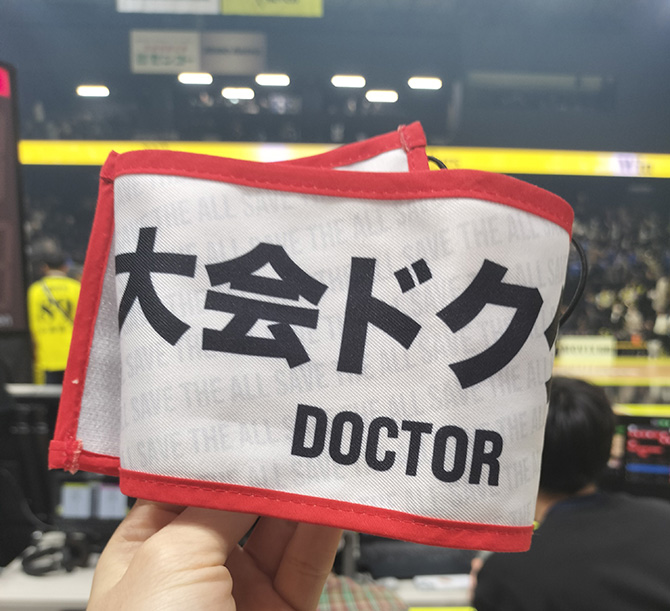
写真は、整形外科の実習の一環で、チームドクターの仕事に帯同させていただいた時のものです。
What are your hobbies and interests?
I became interested in ice skating through the influence of the Olympic Games and manga, and I often go to Sendai Ice Rink with friends. I have also played basketball since I was in lower secondary school and frequently attend Sendai 89ers games. I enjoy both being physically active and watching sports.
The photograph was taken when I had the opportunity to accompany a team physician as part of my orthopedic clinical training.
- ウェスタンブロット法:
タンパク質を主に分子量の違いによって分離した後、特定のタンパク質に結合する抗体を用いて検出する方法。検出されたバンド(帯)の位置や濃さから、目的のタンパク質の有無や量を調べることができる。
Western blotting:
A method in which proteins are first separated, mainly according to differences in molecular weight, and then detected using antibodies that bind to specific proteins. The presence and amount of the protein of interest can be determined from the position and intensity of the detected bands. ↩︎
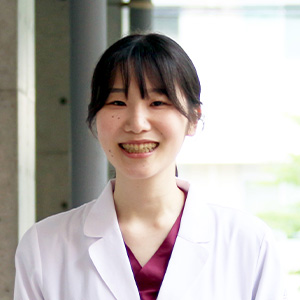
宮地 優和(みやじ ゆうな)
Yuna Miyaji
東京都出身。2021年に東北大学医学部医学科入学。
Born in Tokyo. Enrolled in the Tohoku University School of Medicine in 2021.